


8 July 2021
The Games could happen. The crowds largely could not.
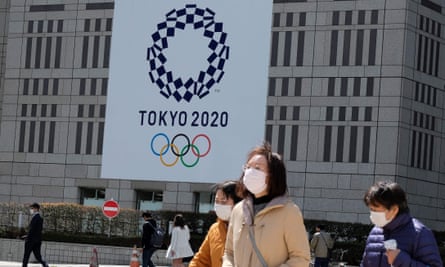
With Tokyo again under a state of emergency, the organisers announced that no spectators would be admitted to Olympic venues in the capital. Decisions elsewhere were left to local authorities.
This was not simply the original event shifted along the calendar. Athletes would still compete, but the usual relationship between a host city, ticket holders and the stadium crowd had been changed. The geographic qualification matters: the rule for Tokyo does not establish that every venue everywhere was empty.
IOC and Japanese organisers · spectator decision · 8 July 2021
23 July 2021
Tokyo 2020 finally arrived in 2021
The Games opened on 23 July 2021. The Japanese Olympic Committee’s event record lists the Olympic programme from 23 July to 8 August, with 33 sports and 339 events.
The familiar Tokyo 2020 name survived the postponement. For athletes, the long-delayed competition had become an event they could actually contest. For spectators, it was largely an event to follow from somewhere else.
Japanese Olympic Committee · dates and event record · IOC and Japanese organisers · spectator decision · 8 July 2021
8 August 2021
The closing ceremony supplied the first clear ending
The Olympic Games closed on 8 August after their 17-day programme. The Japanese Olympic Committee’s contemporaneous Kyodo account described most venues operating without spectators.
That establishes the central answer to the postponement headline: the Olympics were held, rather than cancelled. It does not turn the decision to stage them into proof that every health concern or economic promise was resolved. Those are separate claims requiring their own evidence.
Japanese Olympic Committee / Kyodo · closing ceremony · 8 August 2021 · Japanese Olympic Committee · dates and event record
22 June 2022
The competition ended before the accounting did
In its June 2022 account, reported by the Olympic Council of Asia on 22 June, the organising committee put total Olympic and Paralympic Games expenditure at ¥1.4238 trillion. Its own organising budget was ¥640.4 billion.
The larger figure included expenditure borne by the Japanese and Tokyo governments, so it was not the organising committee’s bill alone. Both figures concerned the Olympic and Paralympic Games; neither should be labelled as the cost of just the Olympic competition.
Olympic Council of Asia · organising committee financial report · 22 June 2022
21 December 2022
The audit widened the bill
Japan’s Board of Audit reported a broader total of about ¥1.70 trillion in December 2022. It included national-government costs and Japan Sport Council support, combined with organiser and Tokyo expenditure and adjusted to avoid overlap.
TBS and Associated Press reported the finding. The difference from the organisers’ earlier total reflected a wider accounting of costs, not simply a new price tag for the one-year delay. The audit refined the aftermath while leaving the competition’s completed dates intact.
Board of Audit of Japan · December 2022 findings · Board of Audit of Japan · report release · 21 December 2022 · TBS · broader audited expenditure · 21 December 2022 · Associated Press via KRDO · audit findings · 22 December 2022
The evidence
Sources for this update
- 01IOC · historical postponement account
- 02IOC and Japanese organisers · spectator decision · 8 July 2021
- 03Japanese Olympic Committee · dates and event record
- 04Japanese Olympic Committee / Kyodo · closing ceremony · 8 August 2021
- 05Olympic Council of Asia · organising committee financial report · 22 June 2022
- 06Board of Audit of Japan · December 2022 findings
- 07Board of Audit of Japan · report release · 21 December 2022
- 08TBS · broader audited expenditure · 21 December 2022
- 09Associated Press via KRDO · audit findings · 22 December 2022
Where the story stands
Ending FoundHeld a year late, mostly without spectators, with a larger audited bill.
The postponement ended in a completed competition, but not in the crowded celebration once planned. The later audit added a fuller spending account without changing that result. These dated records answer what became of the postponed Games; they do not settle every separate legal case or every longer-term claim about Olympic legacy.