


24 December 2020
Leaving was followed by another negotiation
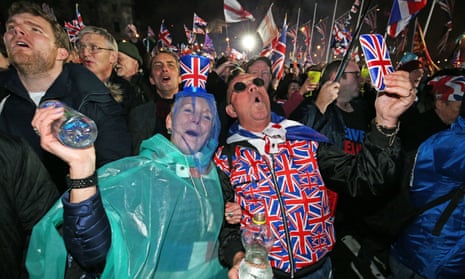
The departure did not settle how Britain and the EU would trade. A deal came on Christmas Eve, shortly before the transition period ran out.
The Trade and Cooperation Agreement became the framework for the new relationship. It applied provisionally from January 2021 and entered into force that May. The important distinction is between leaving the EU itself and putting the replacement arrangements into operation: those were separate stages, months apart.
27 February 2023
Northern Ireland needed a different answer
One of the hardest problems was how to manage trade without creating a hard border on the island of Ireland. The Northern Ireland Protocol had left a dispute over the movement of goods from Great Britain.
The UK and EU announced the Windsor Framework in February 2023 to change how those arrangements worked. The Commons Library describes changes to goods movements and a new mechanism giving Northern Ireland institutions a say over certain new EU rules. This was a revision of the post-Brexit settlement, not Northern Ireland leaving the United Kingdom.
UK Government · The Windsor Framework, 27 February 2023 · House of Commons Library · The Northern Ireland arrangements
19 May 2025
The two sides began rebuilding the relationship
Five years after the exit, EU and UK leaders met in London and agreed a strategic partnership, including closer security and defence cooperation.
The existing withdrawal and trade agreements remained the foundation. The reset meant negotiating cooperation between the EU and a country outside it; it did not itself restore EU membership. For readers trying to follow the story, that is the thread running through the later announcements: how much of the friction can be reduced without reversing the departure?
30 March 2026
Individual agreements still had to be negotiated
The European Council’s record shows the reset turning into separate negotiations. In November 2025 it authorised talks on agri-food rules and linking emissions trading systems; in March 2026 it authorised talks on electricity and financial contributions.
These are different steps from a finished agreement taking effect. March’s decisions also set out UK participation in Erasmus+ for 2027. The dates matter: a decision about next year’s programme is not evidence that students have already returned under it.
European Council · Negotiation mandates and Erasmus+, 30 March 2026 · European Council · The post-Brexit agreements, in dates
12 October 2026
Another summit is scheduled for November
The UK and EU announced a second summit for 20 November in Brussels. The announced agenda includes energy, food rules, security and contacts between people.
Prime Minister Andy Burnham is seeking a stronger trading relationship, according to Reuters. But the summit and its expected joint declaration are still future events. The departure is complete; the particular reset now being negotiated is not. That is why this account remains Still Unfolding, rather than treating every later discussion as either a new Brexit or a return to membership.
European Council · The next EU–UK summit, announced 12 October 2026 · UK Government · The November summit and its aims · Reuters · Britain seeks a new agreement, 12 October 2026
The evidence
Sources for this update
- 01European Council · The post-Brexit agreements, in dates
- 02UK Government · The Windsor Framework, 27 February 2023
- 03European Council · The next EU–UK summit, announced 12 October 2026
- 04UK Government · The November summit and its aims
- 05Reuters · Britain seeks a new agreement, 12 October 2026
- 06House of Commons Library · The Northern Ireland arrangements
- 07European Council · The 19 May 2025 reset summit
- 08European Council · Negotiation mandates and Erasmus+, 30 March 2026
Where the story stands
What has changed—and what still needs an answer
The exit and its first replacement agreements are established facts. The current reset still has practical questions to settle: the terms of closer cooperation and when negotiated changes will take effect. The announced 20 November summit is the next named checkpoint, not a completed outcome. Rejoining the EU is not what that announcement promises.