


12–16 May 2021
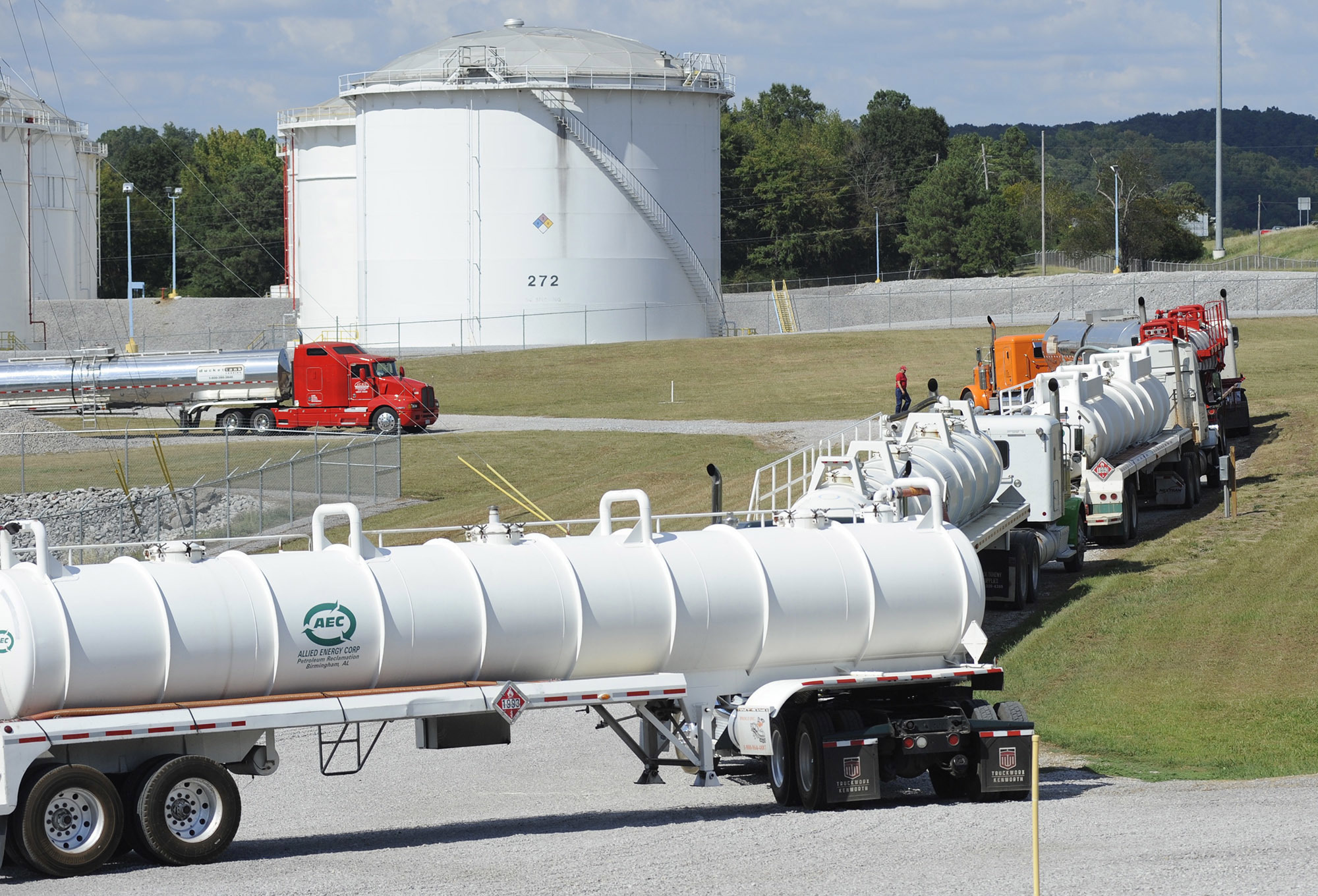
Fuel began moving again; the queues took longer to clear
Colonial began restarting its pipeline on the evening of 12 May. By the following afternoon, it said the whole system had restarted and deliveries had begun to every market it served.
The distinction was between restarting the pipeline and refilling the supply chain. On 15 May, AP reported that Colonial had returned to normal operations, while shortages were still improving. AFP’s reporting the next day also described continuing gaps at petrol stations.
Restored flow was a real recovery. The remaining queues showed how an interruption could take longer to work through local supplies than the pipeline itself.
Department of Energy · shutdown and restart chronology · AP via WBUR · normal operations, shortages still easing · 15 May 2021 · AFP via ABC News (Australia) · normal operations and remaining shortages · 16 May 2021
27 May 2021
Pipeline cybersecurity became a mandatory obligation
The response also changed the rules for critical pipeline operators. TSA’s first mandatory directive, issued on 27 May, required designated operators to appoint a cybersecurity coordinator, assess vulnerabilities and identify gaps and remedies.
The Congressional Research Service describes the change from reliance on voluntary guidance to mandatory requirements for the covered operators. Those obligations were a response to the risks exposed by the shutdown; they were not a declaration that every pipeline had become secure.
Congressional Research Service · pipeline security history · May 2025 report
7 June 2021
Investigators seized most of the bitcoins, not the whole loss
The next important development was financial. On 7 June, the US Justice Department announced that it had seized 63.7 bitcoins, valued at about US$2.3 million at the time. Colonial had reported paying a ransom of approximately 75 bitcoins.
The department said investigators traced transfers through Bitcoin’s public ledger to an address for which the FBI had the private key. The seizure was authorised by a federal magistrate judge. It was a recovery of funds, not a finding that all the attackers had been brought to justice.
The Record also reported the seizure and noted that how the FBI obtained the key was unclear. The Justice Department’s US$2.3 million figure was a valuation at the time of seizure. Recovering 63.7 of the 75 bitcoins was a part recovery; it did not establish full reimbursement of the ransom or the interruption’s wider costs.
Justice Department · 63.7 bitcoins seized · 7 June 2021 · The Record · ransom seizure and its limits · 7 June 2021
20 July 2021
Further protections and recovery planning followed
A second TSA directive on 20 July required designated critical pipeline operators to put protections against cyber intrusions in place, develop contingency and recovery plans, and review their cybersecurity architecture.
The financial recovery and the security response were proceeding on separate tracks. Seizing ransom funds could reduce the attackers’ gains. Planning for a future incident addressed a different problem: keeping an intrusion from producing another physical interruption.
Congressional Research Service · pipeline security history · May 2025 report
19 November 2024
Oversight asked whether the protections were working
Three years later, GAO’s testimony showed why issuing requirements was not the same as measuring results. Its 19 November 2024 statement described TSA’s actions but also gaps in evaluating ransomware support and the adoption of leading practices across the transportation sector.
GAO said relevant recommendations remained unimplemented as of November 2024; DHS or TSA had agreed with the recommendations. Its findings concerned federal oversight across a sector. They were not findings of a second Colonial breach, and the 2024 assessment does not establish the later status of every recommendation.
On 7 November that year, TSA had proposed a broader rule to codify cyber risk management and reporting requirements for certain pipeline and rail operators. A proposal still needed the rulemaking process; it was not a completed final regulation.
GAO · surface transport cybersecurity testimony · 19 November 2024 · Congressional Research Service · pipeline security history · May 2025 report
31 July 2025
The pipeline continued under new ownership
Colonial did not disappear after the attack. Brookfield Infrastructure’s SEC filing records that it and institutional partners completed their acquisition of Colonial Enterprises on 31 July 2025. Milbank, which advised the sellers, separately described the completed sale.
The business had continued beyond the emergency shutdown and moved from multiple co-owners to the Brookfield-led consortium. Its security obligations and the history of the attack remained separate from the transaction.
Brookfield SEC filing · completed Colonial acquisition · 31 July 2025 · Milbank · seller-side account of completed acquisition · 31 July 2025
14 August 2026
The permanent rule still had no final date
The regulatory follow-through remained unfinished in the DHS agenda published on 14 August 2026. It placed “Enhancing Surface Cyber Risk Management” among TSA’s long-term actions and listed the final-rule date as “To Be Determined”.
The linked Reginfo entry likewise described the intended codification of pipeline and rail requirements, rather than an effective final rule. OT Governance Radar’s November review also described the rulemaking as pending. The agenda was a scheduling record, not a repeal of the separate security directives.
The immediate questions had answers: fuel service resumed and investigators seized part of the ransom. The broader security thread remained open. The next concrete checkpoint is the final rule and its implementation—what it requires, when it takes effect and how results are assessed. A new set of requirements alone would still not establish that every operator is protected.
DHS regulatory agenda · entry 265, final rule date undetermined · 14 August 2026 · Reginfo · TSA surface cyber risk rulemaking, RIN 1652-AA74 · OT Governance Radar · specialist review of directives and pending rulemaking · November 2026
The evidence
Sources for this update
- 01Department of Energy · shutdown and restart chronology
- 02AP via WBUR · normal operations, shortages still easing · 15 May 2021
- 03AFP via ABC News (Australia) · normal operations and remaining shortages · 16 May 2021
- 04Justice Department · 63.7 bitcoins seized · 7 June 2021
- 05The Record · ransom seizure and its limits · 7 June 2021
- 06Congressional Research Service · pipeline security history · May 2025 report
- 07GAO · surface transport cybersecurity testimony · 19 November 2024
- 08Brookfield SEC filing · completed Colonial acquisition · 31 July 2025
- 09Milbank · seller-side account of completed acquisition · 31 July 2025
- 10DHS regulatory agenda · entry 265, final rule date undetermined · 14 August 2026
- 11Reginfo · TSA surface cyber risk rulemaking, RIN 1652-AA74
- 12OT Governance Radar · specialist review of directives and pending rulemaking · November 2026
Where the story stands
Recovery was real. Security remained unfinished.
The immediate shutdown is over. The continuing part is the security framework: a final rule, its implementation and evidence of how well protections reduce disruption. That is the next development to follow, alongside any material change to the ransom-recovery record. Neither ownership change nor a new policy announcement alone would close that question.