


8 December 2023
A single infusion was only one part of the process
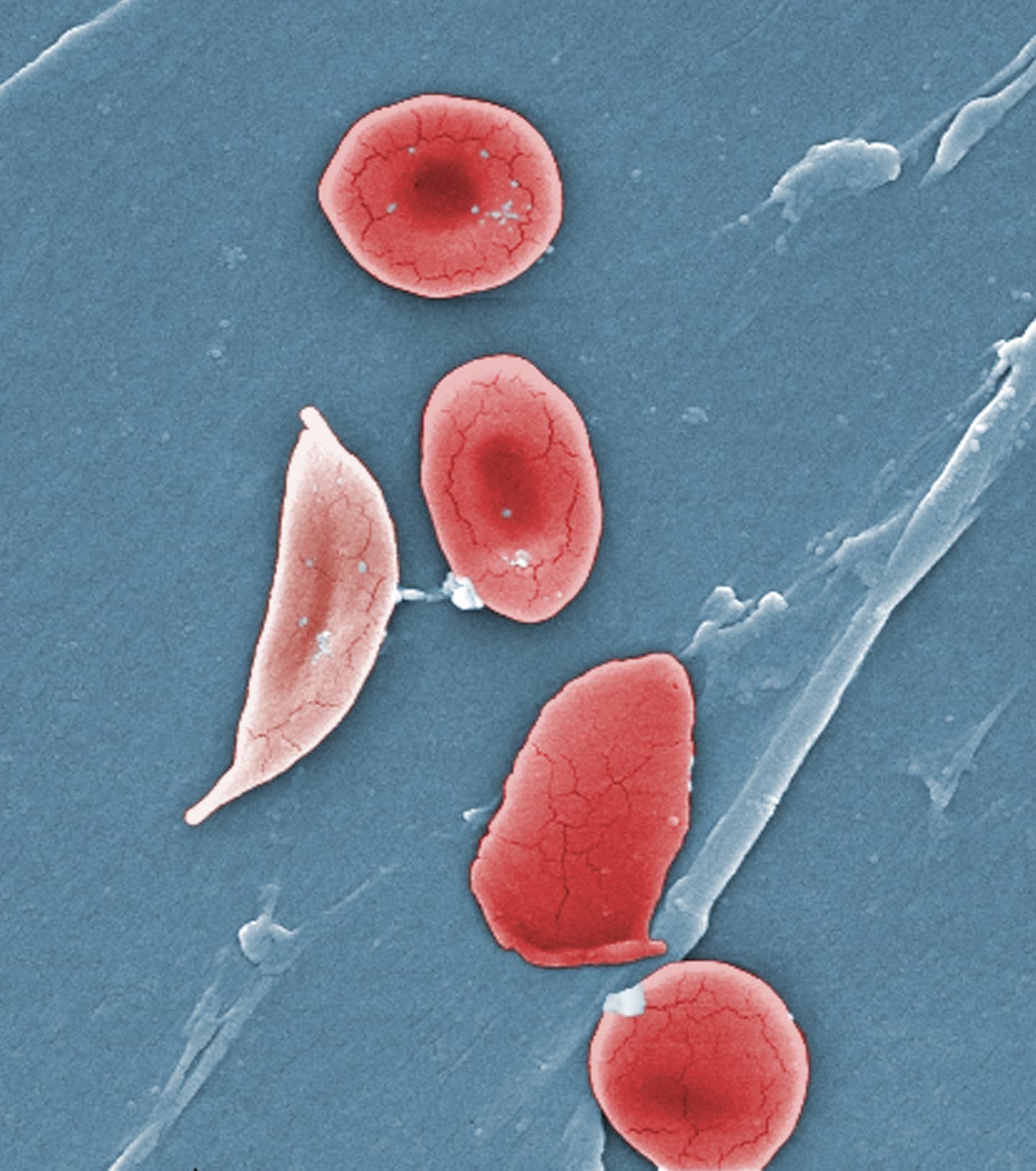
Casgevy uses a patient’s own blood stem cells. They are collected and edited outside the body, then returned after high-dose chemotherapy prepares the bone marrow. The aim is to increase fetal haemoglobin, helping prevent red blood cells from sickling.
That makes the phrase one-time treatment easy to misunderstand. It describes the infusion, not a quick appointment or an absence of risks. The FDA’s original assessment also set out continuing long-term follow-up. Lyfgenia, approved alongside Casgevy, uses a viral delivery system rather than CRISPR; the two should not be collapsed into one technology.
15 July 2025
A payment model tried to turn permission into access
CMS announced agreements involving 33 states, Washington DC and Puerto Rico in its Cell and Gene Therapy Access Model. The arrangements linked payment terms to outcomes for sickle cell therapies, with discounts and rebates when agreed benefits were not delivered.
Cost helps explain the gap. In its December 2024 analysis, the Congressional Budget Office described list prices above US$2 million for each of the two therapies. A list price is not an individual patient’s bill, a net negotiated price or the total cost of the treatment pathway. CBO also cautioned that long-term effects on health and spending were not yet known.
Fierce Healthcare reported the participating jurisdictions and the planned roll-in period. This was a practical attempt to deal with the cost and organisation of treatment for people on Medicaid. Participation in a model was not evidence that every patient had received therapy, nor a result showing that access barriers had disappeared.
CMS · access agreements · 15 July 2025 · Fierce Healthcare · Medicaid access model · 15 July 2025 · CBO · treatment prices and uncertain savings · December 2024
13 February 2026
There were actual infusions—not just an approval
Vertex’s 2025 annual report separated the stages: approximately 300 people worldwide had initiated treatment during the year, 147 had their first cell collection and 64 received a Casgevy infusion. The figures covered both sickle cell disease and transfusion-dependent beta thalassaemia.
The 64 infusions answer the basic question: the treatment had reached people beyond the original approval. They do not establish 64 cures, nor can one year’s different-stage counts be read as a clean dropout rate. Fierce Pharma also reported the 64-patient infusion figure while examining the rollout.
Vertex · 2025 annual report, treatment stages · 13 February 2026 · Fierce Pharma · approval and infusion reporting · 6 July 2026
1 July 2026
The FDA opened eligibility to younger children
The FDA expanded Casgevy’s indication to patients aged two and older with recurrent sickle cell pain crises or transfusion-dependent beta thalassaemia. Its decision drew on studies in children aged five to under 12 and extrapolation to the younger age group.
For sickle cell disease, eight children had enough follow-up to be evaluated for the main efficacy measure; all eight went at least 12 consecutive months without a protocol-defined severe crisis within the specified follow-up window. That was a small evaluable group, not proof that all children would have the same result. Intensive conditioning remained part of treatment, and warnings included unintended genome edits.
FDA · younger children approval · 1 July 2026 · FDA · formal approval letter · 1 July 2026
2 November 2026
The rollout was growing, but starts were not finished treatments
Vertex reported that multiple children had started Casgevy treatment in the United States after the July approval. Its partner, CRISPR Therapeutics, reported more than 750 patients had initiated treatment worldwide.
The worldwide figure covered Casgevy’s rollout across the relevant blood disorders and markets; it was not a count of US children. These were company-reported figures, not an independent audit of completed treatment or long-term recovery. The distinction matters because collection, manufacturing and infusion occur at different stages. The development was no longer just a promise on approval day, but neither was it a finished population-wide outcome.
Vertex · treatment rollout update · 2 November 2026 · CRISPR Therapeutics · treatment initiations · 2 November 2026
The evidence
Sources for this update
- 01FDA · original approvals · 8 December 2023
- 02CMS · access agreements · 15 July 2025
- 03Fierce Healthcare · Medicaid access model · 15 July 2025
- 04FDA · younger children approval · 1 July 2026
- 05FDA · formal approval letter · 1 July 2026
- 06Vertex · treatment rollout update · 2 November 2026
- 07CRISPR Therapeutics · treatment initiations · 2 November 2026
- 08CDC · free source of historical micrograph, PHIL11690
- 09Vertex · 2025 annual report, treatment stages · 13 February 2026
- 10Fierce Pharma · approval and infusion reporting · 6 July 2026
- 11CBO · treatment prices and uncertain savings · December 2024
Where the story stands
The treatment arrived. Access is still being built.
The first question has an answer: the therapy went beyond a regulatory announcement and into treatment programmes. The wider promise remains open. Eligibility, reaching a specialist centre, preparing for treatment and receiving an infusion are separate stages. So are trial results and a person’s eventual long-term outcome. The available evidence does not establish universal access or a permanent cure for every recipient.