

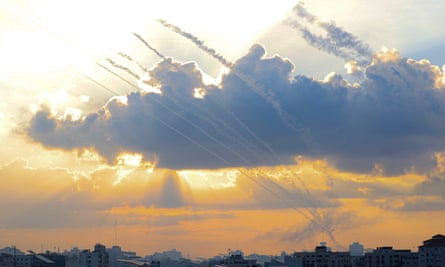


24 November 2023
A pause brought some families home
A negotiated pause began with the release of 13 Israeli hostages abducted on 7 October and 39 Palestinian prisoners from Israeli prisons, the UN’s special coordinator reported.
That was a concrete result for the people released and their families. It was not the release of everyone held, and a temporary pause was not a lasting end to the war. The UN called for the agreement’s implementation and for efforts towards a broader ceasefire.
UN · The first November hostage and prisoner releases, 24 November 2023
10 June 2024
The Security Council endorsed a route towards a ceasefire
Resolution 2735 backed a three-phase proposal linking a ceasefire, hostage releases, withdrawal and reconstruction. It set out a path towards ending the conflict.
A proposed sequence still had to be accepted and carried out. The resolution belongs in the timeline because it explains the attempted route out of the crisis; its adoption should not be mistaken for the fighting having stopped on that date.
18 March 2025
Another ceasefire failed to hold
The January 2025 ceasefire had allowed relief work and returns. By 18 March, Israeli forces had escalated airstrikes and bombardment across Gaza, according to OCHA’s later situation report.
OCHA estimated that more than 142,000 Palestinians were displaced between 18 and 23 March. It also recorded the closure of land crossings to supplies from 2 March. For families trying to rebuild routines, the earlier pause had not delivered durable safety. The report’s displacement estimate describes that particular period, not the total number displaced over the war.
13 October 2025
The last living hostages came home under a new deal
The ICRC facilitated the return of 20 hostages to Israeli authorities and 1,808 Palestinian detainees to Gaza and the West Bank, alongside the transfer of the remains of four deceased hostages. It said 1,968 detainees were released in total that day.
These figures describe the ICRC-assisted operation and the wider day’s release separately. The organisation called for continued implementation so more families could receive relatives’ remains for burial. It was a major change after two years of captivity and war, but the agreement also depended on what happened to security, governance and life inside Gaza.
6 October 2026
The humanitarian work outlasted the ceasefire announcement
Three years into the crisis, the ICRC said it had supported the return of 195 hostages, including 35 who were deceased, and more than 6,000 released Palestinian detainees across different operations. It was still working on water, shelter, food and medical care in Gaza.
OCHA’s early-October report described daily strikes, crowded displacement sites and shortages affecting water and health services. It relayed Gaza’s Health Ministry figure of 1,431 reported deaths since the October 2025 ceasefire announcement, as of 30 September 2026. That ministry operates under Gaza’s de facto authorities; this is its reported toll, not a claim that OCHA independently verified every death.
The cumulative loss was far greater. OCHA’s snapshot for 7 October relayed 74,250 Palestinian fatalities reported by Gaza’s Health Ministry, and more than 1,200 fatalities in Israel on 7 October and its immediate aftermath, according to Israeli official sources. These are differently scoped reported totals, not independently verified civilian-only counts. The Palestinian toll includes people whose civilian or combatant status is not distinguished here.
ICRC · Three years of humanitarian aftermath, 6 October 2026 · OCHA · Gaza humanitarian situation report, 2 October 2026 · OCHA · Reported impact snapshot, 7 October 2026; published 9 October
10 October 2026
One year later, the agreement remained incomplete
AP’s anniversary reporting found that the ceasefire had ended major military operations and led to the return of the remaining hostages. Yet governance, disarmament, withdrawal and reconstruction remained stalled.
That distinction is the answer to the original “then what?” The hostage chapter changed profoundly, while the wider promise of a safe and rebuilt Gaza had not been delivered. The remaining dispute concerned implementation, not simply whether another agreement could be announced.
AP · One year after the ceasefire, 10 October 2026 · Reuters · The ceasefire and unfinished implementation, 6 October 2026
15 October 2026
A new interruption threatened everyday supplies
Israeli authorities said commercial goods had stopped entering Gaza for two days. They blamed merchants’ objections to Hamas fees; Palestinian importers disputed that account and said Israel had imposed the halt, AP reported.
Commercial goods and humanitarian aid are different supply streams. Reuters quoted a transport-union official who said aid and some commercial goods from Egypt were still entering. The halt’s cause was contested, and the evidence did not establish that every supply route had closed.
AP · Commercial supplies halted, reported 15 October 2026 · Reuters · Commercial supplies dispute, 15 October 2026
The evidence
Sources for this update
- 01UN · The first November hostage and prisoner releases, 24 November 2023
- 02UN Security Council · Resolution 2735, 10 June 2024
- 03OCHA · Renewed hostilities and displacement, 25 March 2025
- 04ICRC · Hostage and detainee transfers, 13 October 2025
- 05ICRC · Three years of humanitarian aftermath, 6 October 2026
- 06OCHA · Gaza humanitarian situation report, 2 October 2026
- 07AP · One year after the ceasefire, 10 October 2026
- 08AP · Commercial supplies halted, reported 15 October 2026
- 09OCHA · Reported impact snapshot, 7 October 2026; published 9 October
- 10Reuters · Commercial supplies dispute, 15 October 2026
- 11Reuters · The ceasefire and unfinished implementation, 6 October 2026
Where the story stands
What has changed—and what still needs an answer
This thread remains Still Unfolding. Hostage releases and an end to major military operations were substantive changes, but a durable implementation of the agreement, civilian safety and recovery remain central unfinished outcomes. Reports of strikes and supply interruptions are evidence against presenting the broader thread as ended. This account separates reported casualty figures from independently verified totals and contested explanations from established events.