


13 May 2023
A promise to protect civilians still needed action
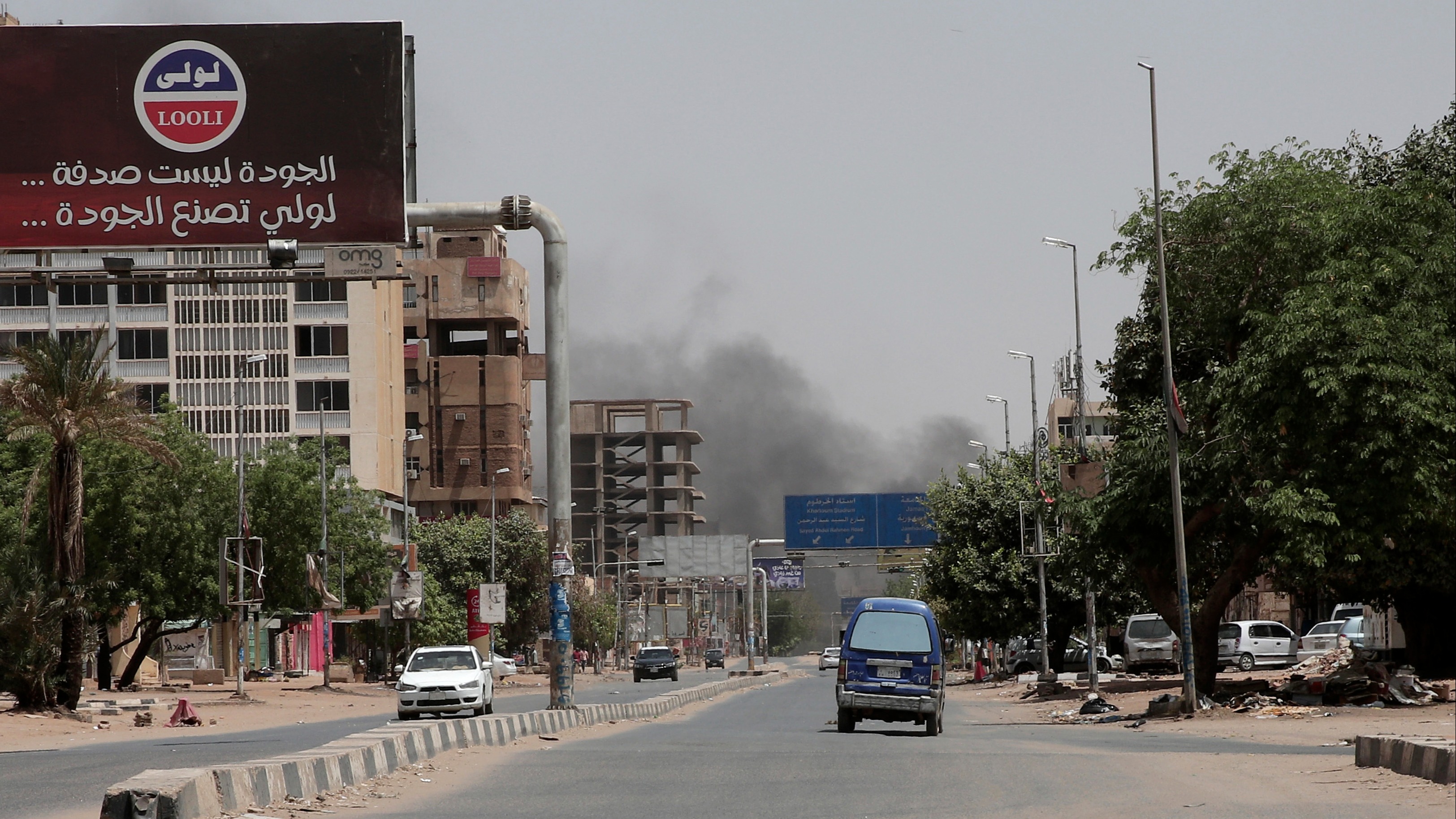
Within a month of the outbreak, the Sudanese Armed Forces and Rapid Support Forces had made a declaration on protecting civilians. A Reuters report published by Citizen Digital on 13 May described the commitment, while reporting that US officials said the sides had not agreed to a ceasefire.
The declaration envisaged further discussions on a short-term ceasefire to support aid and essential services. A commitment to protect civilians was not an end to the fighting. The practical questions were whether families could leave danger, whether supplies could reach them and whether a political process could replace military confrontation.
Reuters via Citizen Digital · civilian-protection declaration, not ceasefire ·13May2023
21 August 2024
Food trucks got through a reopened crossing
In August 2024, a specific opening made a difference to aid operations. WFP reported that its trucks had crossed from Chad at Adré on the evening of 20 August after the route reopened.
They carried food destined for people in West Darfur. That was an actual crossing, rather than a pledge to permit one. WFP stressed that supplies needed to keep flowing: a convoy getting through did not establish sustained access across Sudan.
9 September 2025
Some people returned; rebuilding was another matter
IOM reopened its Khartoum office in September 2025 to support aid and recovery. It reported an accelerating return movement, while warning that conditions remained volatile.
Families were arriving in places with damaged homes and scarce water, electricity and health care. The agency also warned about unexploded ordnance. Returning to an area perceived as safer was not the same as finding a habitable home, and the return trend did not mean the war elsewhere had ended.
IOM · Khartoum office reopened and returns · 9 September 2025
28 October 2025
Elsewhere, getting out and getting aid in remained urgent
The return movement was only one part of the civilian story. On 28 October 2025, the UN humanitarian country team said it was assisting thousands who had fled El Fasher towards Tawila and surrounding areas, while remaining unable to reach many people trapped in the city.
The statement sought safe passage and sustained access. Aid workers could help arrivals in one place while being unable to reach people in another. For civilians, a reopened office or crossing elsewhere did not remove those barriers.
UN humanitarian country team · El Fasher access · 28 October 2025
6 November 2025
One side’s acceptance was not a common ceasefire
In November 2025, the RSF said it accepted a US-led humanitarian truce proposal. ITV reported that announcement and the other side’s conditions: a Sudanese military official told AP that the army would agree only if the RSF withdrew from civilian areas and gave up its weapons.
The distinction mattered for anyone waiting for safer movement or aid. One faction announcing acceptance did not establish an agreement implemented by both. The proposal was a diplomatic development, while the humanitarian outcome still depended on what the parties actually did.
ITV/AP · one side accepted truce proposal; army conditions ·6November2025
6 November 2026
The shelter response faced a funding squeeze
By 6 November 2026, UNHCR and IOM estimated that 8.6 million people remained displaced inside Sudan and more than 4.6 million had fled across borders. They separately recorded over 5.2 million returns to areas of origin, largely by people previously displaced within Sudan.
Those figures describe different movements and statuses. They should not be added together as a count of unique people still displaced. The agencies said many returnees found damaged communities and services.
Their joint warning put emergency shelter and household-item needs at 15.4 million people, with 936,000 assisted so far. Anadolu also reported the funding and stock shortages. Fighting, insecurity and damaged infrastructure restricted delivery alongside the shortage of money. The warning concerned a risk of further losses of support; it did not say every shelter operation had already stopped.
UNHCR–IOM · shelter warning · 6 November 2026 · Anadolu · UN agencies’ shelter warning ·6November2026
13 November 2026
Diplomacy continued, without an implemented peace
Peace efforts were still active. In a 2 November interview with The National, UN envoy Pekka Haavisto described meetings with Sudanese political groups and an intended further meeting before Christmas. That was a plan, not a completed round of talks.
A Quintet statement dated 13 November, published by IGAD the next day, condemned escalating drone attacks and called for a humanitarian truce as a step towards a wider ceasefire. The group comprises the African Union, IGAD, Arab League, European Union and United Nations.
Its call did not announce that the warring parties had agreed to, or implemented, a common truce. AP’s 16 November reporting still described an ongoing war and worsening regional tensions. The civilian questions left by the original headline—safe movement, reliable aid and a durable peace—remained open.
The National · UN envoy interview · 2 November 2026 · IGAD · Quintet statement dated 13 November, posted 14 November 2026 · AP · continued war and regional tensions · 16 November 2026
The evidence
Sources for this update
- 01Reuters via Citizen Digital · civilian-protection declaration, not ceasefire ·13May2023
- 02WFP · aid trucks crossed at Adré · 21 August 2024
- 03IOM · Khartoum office reopened and returns · 9 September 2025
- 04UN humanitarian country team · El Fasher access · 28 October 2025
- 05UNHCR–IOM · shelter warning · 6 November 2026
- 06Anadolu · UN agencies’ shelter warning ·6November2026
- 07The National · UN envoy interview · 2 November 2026
- 08IGAD · Quintet statement dated 13 November, posted 14 November 2026
- 09AP · continued war and regional tensions · 16 November 2026
- 10The Washington Post · original outbreak report ·15April2023
- 11ITV/AP · one side accepted truce proposal; army conditions ·6November2025
Where the story stands
Safety, aid and peace are still the unfinished story.
The latest appeals do not close the thread. What remains is an implemented halt to fighting, sustained humanitarian access and safe, supported recovery for displaced and returning families. The planned political meeting is a next diplomatic step; it cannot by itself establish any of those outcomes.