



18 November 2020
The grounding ended—with conditions
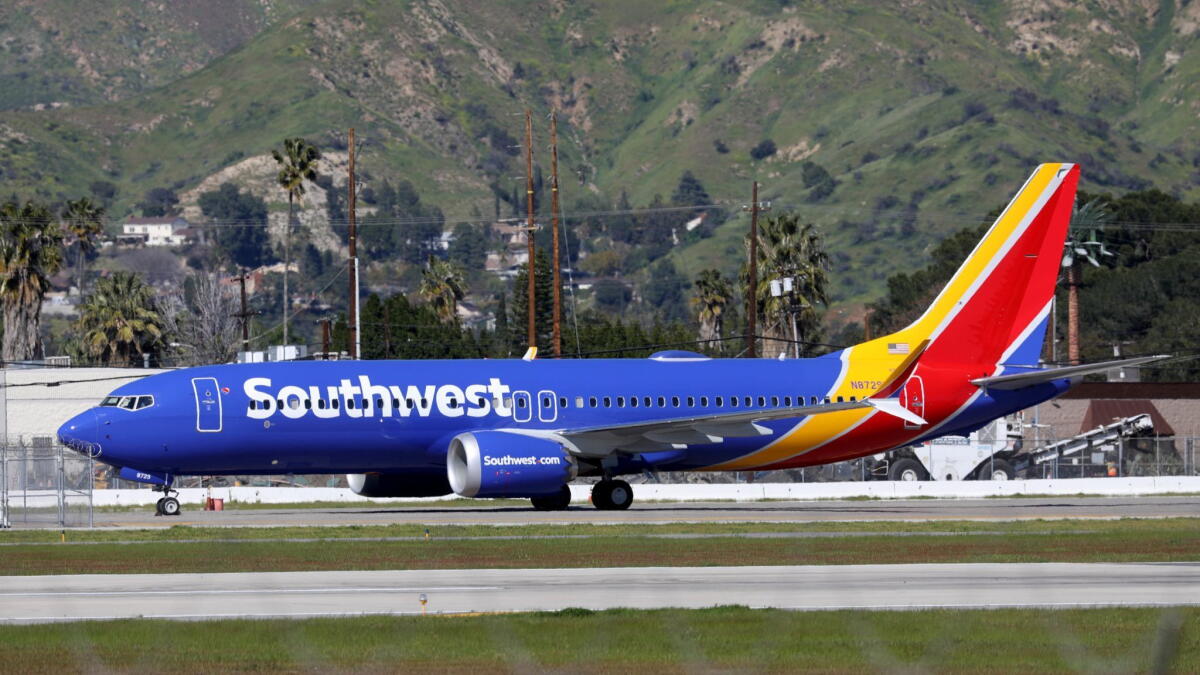
After a 20-month review, the FAA rescinded its grounding order. That opened a route back to passenger service, but did not send every parked aircraft straight into the air.
The regulator required design changes, revised pilot training and maintenance work. Other national regulators had to make their own decisions. This answers the immediate question from March 2019: the ban was lifted after a review and mandated changes, not simply because the planes had spent long enough on the ground.
7 January 2021
A separate criminal case followed
The Justice Department charged Boeing with conspiracy to defraud the United States and entered a deferred prosecution agreement. Boeing admitted responsibility for the conduct described in that agreement.
The case concerned information given to the FAA about the flight-control system. A deferred prosecution agreement puts a prosecution on hold subject to conditions; it is different from a trial verdict. Keeping those distinctions clear becomes important when following what happened to the case later.
US Justice Department · The original deferred prosecution agreement, January 2021
5 December 2024
The proposed guilty plea did not become the outcome
In May 2024, the Justice Department said Boeing had breached the earlier agreement’s compliance obligations. A proposed plea agreement followed, but the district court rejected it in December.
So a headline saying Boeing had agreed to plead guilty cannot be treated as the last word. The court did not accept that proposed agreement. The case then took another turn under a new arrangement with prosecutors.
US Justice Department · Boeing case chronology and court documents · District Court · Rejection of the proposed plea, 5 December 2024
29 May 2025
Prosecutors agreed not to pursue the charge
The replacement was a non-prosecution agreement. Its terms included an additional US$243.6 million criminal penalty, US$444.5 million in additional compensation for crash-victim beneficiaries and at least US$455 million of investment in compliance and safety programmes.
Those are distinct commitments, not one cheque paid to the families. The agreement sets out an escrow and claims-administration process for victim compensation, alongside a compliance consultant and reporting obligations. It does not establish what any individual family ultimately received. The agreement has a two-year term, with compliance and reporting requirements.
US Justice Department · Boeing case chronology and court documents · US Justice Department / Boeing · The 29 May 2025 non-prosecution agreement
6 November 2025
The criminal charge was dismissed
The district court dismissed the conspiracy charge under the new arrangement with prosecutors. That ended this prosecution in the district court; it did not turn the rejected guilty plea into a conviction.
Victims’ representatives continued their challenge. Their position and the agreement’s continuing obligations belong in the aftermath alongside the dismissal, rather than disappearing behind a headline that the case was over.
US Justice Department · Boeing case chronology and court documents · US Justice Department / Boeing · The 29 May 2025 non-prosecution agreement · Fifth Circuit · Revised opinion and rehearing decision, 22 May 2026
22 May 2026
The families’ challenge did not reopen the prosecution
Some victims’ representatives challenged the non-prosecution agreement and dismissal. The Fifth Circuit denied their mandamus petitions; its revised May opinion also denied rehearing. The Justice Department records the mandate as issued on 18 June.
The appellate decision addressed the crime-victims-rights arguments and the court’s power to review the dismissal. It was not a finding that the crashes caused no wrongdoing, nor a determination of every civil claim. The charge’s dismissal stands in the reviewed record, while the agreement contains continuing obligations.
US Justice Department · Boeing case chronology and court documents · Fifth Circuit · Revised opinion and rehearing decision, 22 May 2026
17 July 2026
A responsibility removed in 2019 was returned
The FAA announced that Boeing could again issue airworthiness certificates for all newly produced 737 MAX and 787 aircraft from 20 July. The MAX authority had been removed after the crashes.
The FAA said eight months of alternating certification work had shown comparable production-quality findings. It retained inspections, audits and monitoring. That is a significant later step in oversight, but it is not blanket approval of every new MAX variant or a guarantee against future defects. The Alaska Airlines door-plug failure belongs to a separate incident; it should not be confused with the two crashes that triggered this grounding.
FAA · Certification responsibility restored, announced 17 July 2026 · AP · The return of certification responsibility, 17 July 2026
The evidence
Sources for this update
- 01FAA · Grounding review and conditions for the 2020 return
- 02US Justice Department · Boeing case chronology and court documents
- 03US Justice Department / Boeing · The 29 May 2025 non-prosecution agreement
- 04Fifth Circuit · Revised opinion and rehearing decision, 22 May 2026
- 05FAA · Certification responsibility restored, announced 17 July 2026
- 06AP · The return of certification responsibility, 17 July 2026
- 07US Justice Department · The original deferred prosecution agreement, January 2021
- 08District Court · Rejection of the proposed plea, 5 December 2024
Where the story stands
What has changed—and what still needs an answer
The grounding ended and this criminal charge was dismissed. The broader regulatory and accountability account remains Still Unfolding because the May 2025 agreement has a two-year term with continuing compliance, investment and reporting requirements. The reviewed records do not establish completion of those obligations or the amount received by every beneficiary. The next meaningful outcome is documented completion or breach of that agreement, rather than ordinary future aircraft production.