


16 December 2021
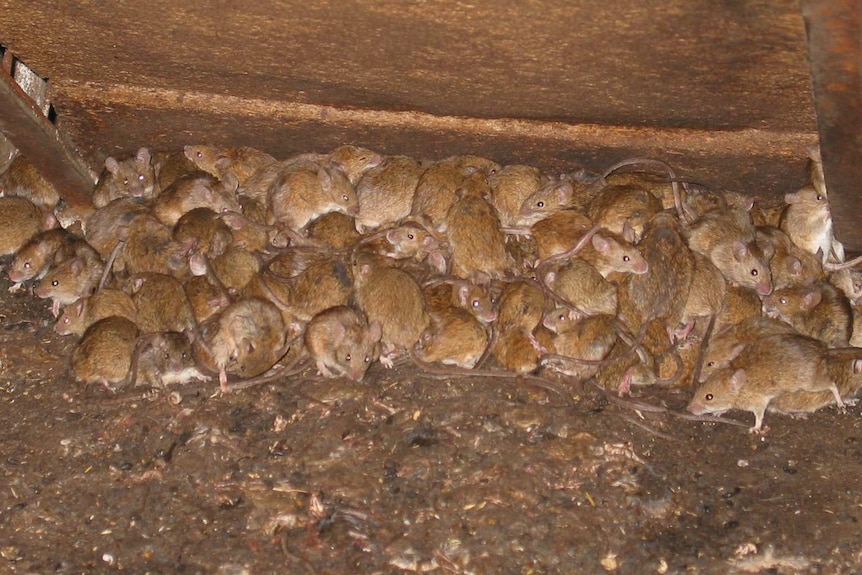
The infestation subsided
By December, ABC reporting described the NSW plague as appearing to be over. Experts pointed to persistent rain, flooding and baiting, while warning against complacency. That described the mouse numbers at the time; it did not establish that everyone’s losses or distress had ended.
11 February 2026
The later study measured a human aftermath
CSIRO researchers and colleagues surveyed affected adults in regional NSW in October–December 2023. Their paper was published in Scientific Reports in February 2026. The group included farmers and people whose livelihoods were outside farming. Average ongoing stress was low, but that average concealed a minority with substantially higher scores.
Mankad and colleagues · Scientific Reports · 11 February 2026 · CSIRO · researcher publication record
What the result means
A screening score is not a diagnosis
The survey combined an online panel with recruitment through industry channels and social media. People had to report being affected by the plague. Responses relied partly on memories of 2021, and the study was observational. It cannot establish that the plague caused every symptom, diagnose individual participants, or tell us the proportion of all residents with PTSD.
Mankad and colleagues · Scientific Reports · 11 February 2026
The follow-up
Recovery needs more than a falling mouse count
The useful distinction is between the infestation ending and people recovering. This research adds evidence about the second question. It supports looking beyond crops and bait when assessing the aftermath, while keeping uncertainty about individual health and population-wide effects visible.
Mankad and colleagues · Scientific Reports · 11 February 2026
21 April 2026
The bills outlasted the mice too
A second paper put numbers to another part of the aftermath. Okello and colleagues calculated about A$100.62 million in direct costs among their sample of 1,691 regional NSW residents. The total included spending, damage, lost production and income, and the value of time spent cleaning and resowing. It was not a statewide bill or a compensation payout.
Farmers bore roughly two-thirds of that calculated cost. The authors also identified limits: the survey came about two years after the plague, recollections could be imperfect, and wider economic effects were outside the calculation. Together with the stress study, it shows why the disappearance of the mice could not erase what the outbreak had cost.
Okello and colleagues · Economic aftermath · PLOS One · 21 April 2026
The evidence
Sources for this update
Where the story stands
Ending FoundThe infestation subsided. Its human impact lasted longer.
The NSW outbreak had subsided by the end of 2021. Two 2026 studies document what followed: a lasting stress burden for some surveyed adults and substantial economic costs within the surveyed sample. They provide a supported account of this outbreak’s aftermath, without establishing that everyone recovered, diagnosing PTSD across the population, or putting a final price on all losses statewide. Future outbreaks are a separate question.